BeBOP in Brussels: Stakeholder Workshop on the Road to Market and Second Annual Meeting of the Consortium
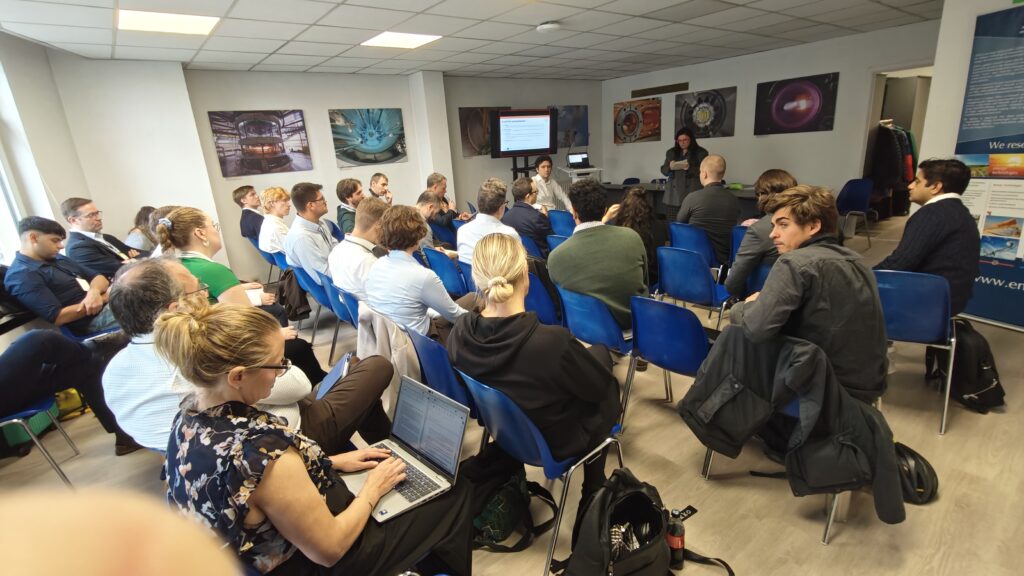
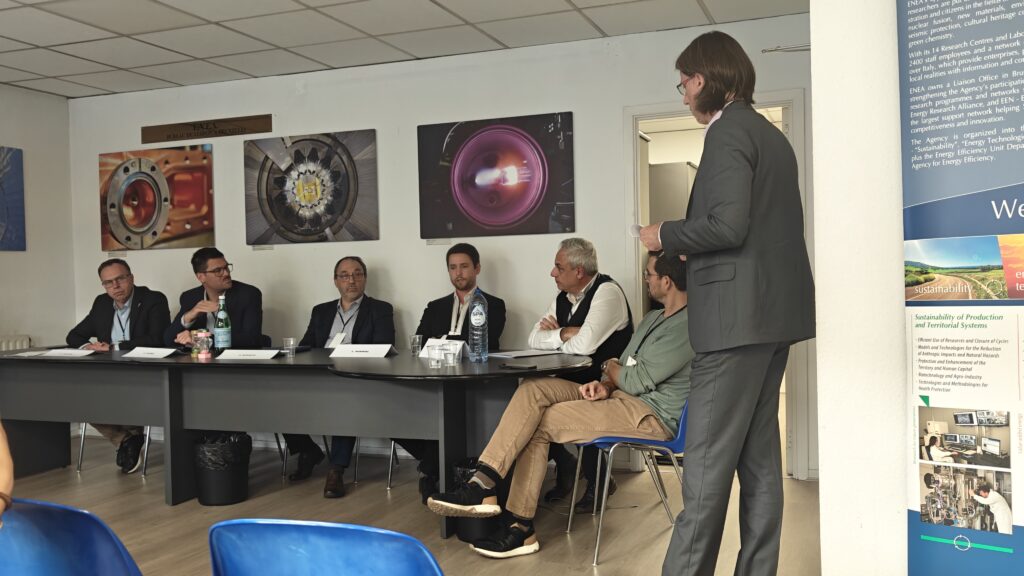
From 19 to 21 October 2026, the consortium of the EU-funded project BeBOP met at the Brussels liaison office of the Italian energy agency ENEA. The meeting opened on 19 October with the project’s second dissemination event, organised by project partner Ente Italiano di Normazione (UNI). Under the motto “Bridging Innovation, Industry and Market Needs through Standardization”, the event focused on a question that every research project has to answer sooner or later: what happens after the project ends?
To explore it, the consortium deliberately reached out to stakeholders beyond the research community. A panel discussion brought together perspectives from plant engineering for gasification and energy technologies, biomethane and gas upgrading, supply chain and procurement management for energy projects, EU-level advocacy for e-fuels, and testing and certification, including members of the advisory board and the BeBOP stakeholder network. Together with an audience from industry, research, associations and policy, the panel discussed what a realistic implementation pathway for the BeBOP technology could look like once the pilot plant at VTT in Finland has delivered its results. The discussion made clear that, alongside the technology, the step to market requires robust standards and certification schemes, a reliable regulatory framework, suitable financing models and resilient supply chains.
The consortium’s annual meeting took place over the following two days. The partners presented the status of their work packages and agreed on the next steps, above all the integration of the pilot plant at VTT’s demonstration site, where Elcogen’s SOEC and syngas compressor container arrived in June 2026. For ECODESIGN, having successfully completed the work package on circularity, the focus has now shifted to the life cycle assessment (LCA) and carbon handprint for both the pilot plant and a scaled-up process, in close cooperation with partners Wood and Ineris. The perspectives gathered in the stakeholder workshop are particularly valuable here: assessing the environmental impacts of a future commercial plant requires realistic assumptions about how, where and under which conditions it will operate.
Now that BeBOP has reached the halfway point of its project duration, exchange with the project’s stakeholders will intensify further in the coming months, and questions of implementation will increasingly move to the forefront alongside technical development. The workshop in Brussels laid a good foundation for this. To follow this next phase of the project, you can subscribe to the BeBOP newsletter directly on the project website.